Sailor Clipart & Baby Nautical Clipart for Design Projects
Nautical-themed design assets have a timeless appeal. Whether you are creating a nursery print, a branding package for a coastal business, or social media graphics for a summer campaign, Sailor Clipart and Baby Nautical Clipart offer a versatile visual language. These sets combine the charm of maritime life with a playful, often vintage-inspired aesthetic that resonates with adults and children alike. The key to using them effectively lies in understanding their personality and knowing where they add real value.
Many designers and small business owners reach for nautical elements when they need something that feels classic yet approachable. The imagery—anchors, sailboats, lighthouses, starfish, ropes, and sailor hats—carries inherent symbolism. It evokes adventure, stability, and a connection to nature. When you work with a curated collection of Sailor Clipart, you are not just picking random icons; you are selecting pieces that tell a story. The same goes for Baby Nautical Clipart, which softens those same symbols into gentle, whimsical versions perfect for gender-neutral or themed baby showers, nurseries, and first birthday parties.
Visual Characteristics and Design Personality
What sets these clipart collections apart is their cohesive visual language. A well-designed Sailor Clipart set typically features clean lines, balanced proportions, and a palette rooted in navy, white, red, and soft blues. The style can range from detailed vintage etchings to modern flat vector illustrations. The best collections maintain a consistent stroke weight and color harmony, which makes them easy to layer and combine across different formats.
Classic and Whimsical Appeal
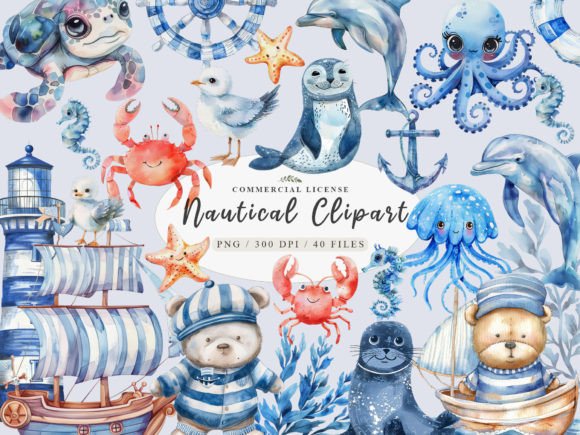
Baby Nautical Clipart leans into softer textures and rounder shapes. Think of a whale with a gentle smile, a tiny sailboat with billowy white sails, or a pastel anchor tied with a bow. These details make the assets feel friendly and safe, which is ideal for baby-related content. The personality here is nurturing and lighthearted, without being overly childish. This balance allows the clipart to work in both digital and print mediums without feeling out of place among other premium design elements.
From a typography and design terminology standpoint, these clipart collections function as design assets that support a brand identity. They are not fonts themselves, but they pair beautifully with serif font choices for a traditional look or sans serif font options for a more modern, clean layout. When you treat the clipart as part of a broader visual system, you elevate the entire project.
Where Sailor and Baby Nautical Clipart Work Best
The versatility of these assets is one of their strongest qualities. I have seen them used effectively across a wide range of creative, branding, marketing, and publishing projects. Below are some of the most impactful applications based on real-world experience.
- Branding and Logo Design: Nautical clipart can serve as the core visual for a coastal café, a marine supply store, or a children's clothing line. A single anchor or sailboat icon, when refined, makes a memorable logo mark. Pair it with a strong display font or a clean handwritten font for a signature look.
- Editorial and Packaging Design: Magazine spreads about sailing, ocean conservation, or coastal living benefit from small nautical accents. On product packaging, a subtle starfish or rope border signals quality and a connection to the sea. Packaging design often relies on these visual cues to tell a story instantly.
- Web Design and Social Media Graphics: In web design, nautical clipart can be used for hero section backgrounds, icon sets for navigation, or decorative dividers. For social media graphics, a consistent set of Sailor Clipart elements creates a recognizable feed aesthetic. I have found that using the same anchor or lighthouse motif across posts increases brand recognition by giving followers a visual anchor point (pun intended).
- Personal and Commercial Projects: Baby shower invitations, nursery wall art, birth announcements, and first birthday party decor are natural fits for Baby Nautical Clipart. On the commercial side, printable planners, educational worksheets, and children's books benefit from the gentle, engaging imagery. Always check the commercial licensing included with your clipart pack to ensure you have the rights for your specific use case.
How These Assets Influence Design Perception and Engagement
Every design choice you make sends a signal to your audience. Using Sailor Clipart or Baby Nautical Clipart is no different. The visual hierarchy of a layout can be guided by the size and placement of a single icon. A large, bold anchor can act as a focal point, while a small starfish tucked into a corner adds a subtle, finishing detail. This kind of intentional use improves readability and visual hierarchy because the eye knows where to rest and where to move next.
Building Consistency and Professionalism
One common mistake I see is mixing clipart from different sets without regard for style consistency. When you use a single collection of Sailor Clipart across a brand identity, you create a cohesive visual language. This consistency builds trust with your audience. It signals that the brand is thoughtful and professional. The same applies to Baby Nautical Clipart in a baby line or event series. Using the same whale, boat, and anchor motifs across invitations, thank-you cards, and signage creates a unified experience that feels polished and intentional.
Audience Engagement Through Emotional Connection
Nautical imagery carries emotional weight. For parents planning a baby shower, a soft whale illustration can evoke feelings of calm, protection, and adventure. For a coastal brand, a vintage lighthouse speaks to tradition and reliability. This emotional resonance drives audience engagement. People are more likely to share, comment on, and remember content that makes them feel something. By choosing clipart that aligns with your audience's values and emotional state, you increase the likelihood of genuine connection.
Practical Guidance for Choosing and Using Nautical Clipart
Selecting the right clipart collection requires more than just liking the images. You need to evaluate how the set fits your specific project, audience, and technical requirements. Here is practical advice based on years of working with design assets.
Evaluating Project Fit and Style
Start by asking yourself what mood you want to create. Sailor Clipart with a vintage, hand-drawn feel suits heritage brands and editorial projects. A flat, modern vector style works better for digital-first brands and contemporary nurseries. Look at the color palette. Does it match your existing brand colors or the scheme you have in mind? If the clipart uses a limited palette, it will be easier to integrate. If it is full-color, ensure the hues complement rather than clash with your text and backgrounds.
Testing Font Pairings and Layouts
Clipart and typography must work together. A bold script font paired with a delicate anchor can feel unbalanced. Instead, try pairing Baby Nautical Clipart with a rounded sans serif font for a friendly, approachable look. For Sailor Clipart with a vintage edge, a classic serif font or a handwritten font with slight texture often feels right. Test your pairing by placing the clipart next to the text in a mockup. If the weights, spacing, and overall mood align, you have a good combination.
Reviewing Included Styles and Licensing
Before purchasing or downloading any creative font or clipart pack, review what is included. Does the set offer multiple file formats (SVG, PNG, EPS)? Are there variations of each icon? A good collection includes different orientations and sizes of the same element. This flexibility saves time during layout. Equally important is understanding the commercial licensing. Some clipart sets are free for personal use but require an extended license for merchandise or digital products. Always read the terms to avoid legal issues later.
Readability and Sizing Considerations
When using clipart in print or on screen, size matters. A small anchor that looks fine on a business card may lose detail when scaled down for a social media avatar. Test the clipart at the actual size it will be used. For web design, consider how the clipart renders on high-density displays. Vector formats (SVG, EPS) are ideal because they scale without quality loss. For print, ensure the resolution is at least 300 DPI. These small checks make the difference between a professional result and a blurry disappointment.
Realistic Examples and Design Observations
I have worked on several projects where nautical clipart was the star. One was a branding package for a small coastal inn. We used a set of Sailor Clipart featuring a lighthouse, a gull, and a rope border. The client wanted a feeling of warmth and history. We paired the clipart with a classic serif typeface and used navy and cream as the primary colors. The result was a brand identity that felt established and trustworthy, even for a new business. Guests commented that the brand materials matched the peaceful, nautical atmosphere of the inn.
Another project involved a baby shower for a friend who wanted a gender-neutral ocean theme. We used Baby Nautical Clipart with soft blues, sandy beiges, and gentle greens. The whale and starfish icons were used on the invitation, the thank-you cards, and the banner. The key was keeping the illustrations small and consistent, allowing the text to remain the focal point. The feedback was overwhelmingly positive, and several guests asked where to find the clipart for their own events.
A common observation from both projects: less is often more. Overloading a layout with too many clipart elements creates visual noise. Instead, choose one or two strong icons and use them deliberately. This approach respects the viewer's attention and gives each element room to breathe. In both logo design and editorial design, restraint with clipart leads to more professional outcomes.
Whether you are a seasoned designer or a small business owner creating your own marketing materials, Sailor Clipart and Baby Nautical Clipart offer a reliable foundation for projects that need a touch of maritime charm. Focus on consistency, pair your clipart thoughtfully with the right typography, and always check your licensing. With those principles in place, you can create work that feels both personal and polished.