Hummingbird Art Watercolors Clipart: A Designer's Guide
If you have spent any time browsing design assets, you know the difference between clipart that feels generic and something that actually elevates a project. Hummingbird Art Watercolors Clipart falls firmly into the second category. This is not a collection of stiff, vectorized icons with flat colors and rigid lines. Instead, it offers loose, expressive watercolor renderings of hummingbirds — complete with soft blooms, uneven pigment saturation, and organic edges that mimic real brush strokes on paper. The result is a set of design assets that carry the warmth and unpredictability of handmade art.
For designers, marketers, bloggers, and small business owners who want to inject personality and a handcrafted feel into their work, this clipart collection provides a versatile visual toolkit. Whether you are creating social media graphics for a nature-themed brand, designing packaging for artisan products, or crafting editorial layouts that need a focal point, these watercolor hummingbirds bring a sense of movement, lightness, and natural beauty that is hard to achieve with stock photography or rigid illustration styles.
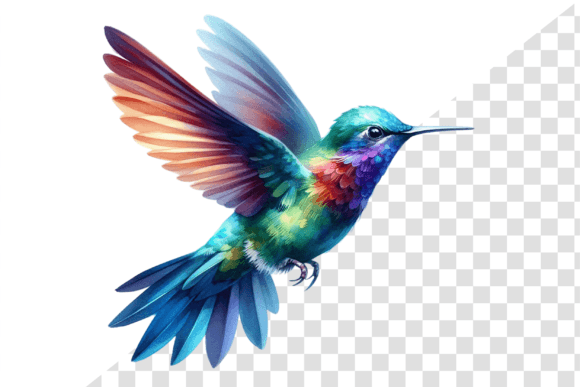
The visual personality of this collection leans organic and slightly whimsical, but not childish. The watercolor washes vary in intensity, with some pieces featuring bold, saturated hues — deep magentas, emerald greens, and cobalt blues — while others use softer pastel palettes that feel airy and delicate. The hummingbirds are depicted in various poses: hovering mid-flight, perched on branches, or with wings caught in a soft blur. This variety is important because it gives you flexibility. You are not stuck with one static image; you have multiple compositions to work with across different formats and contexts.
The Visual Appeal of Watercolor Clipart in Modern Design
Watercolor has become a staple in contemporary design because it bridges the gap between digital precision and human imperfection. When you use Hummingbird Art Watercolors Clipart, you introduce texture and depth that flat vector assets simply cannot replicate. The slight irregularities in the paint — the way pigment pools at the edges, the subtle gradients created by water dilution — add a tactile quality to digital projects. This matters, especially in an era where audiences are increasingly drawn to authentic, handcrafted aesthetics.
For brand identity work, these hummingbirds can serve as hero elements or subtle accents depending on the application. A wellness brand focused on mindfulness and nature might use a single hummingbird motif as a logo mark, pairing it with a clean sans-serif or serif typeface for balance. An organic tea company could use the clipart across packaging, labels, and website banners to reinforce a natural, artisanal message. The key is that the watercolor style does the branding work for you — it communicates warmth, care, and artistic sensibility without needing additional embellishments.
From a practical standpoint, the collection typically includes multiple file formats such as PNG with transparent backgrounds, which is critical for workflow efficiency. Designers can drop these assets directly into layouts, composites, or mockups without spending time masking or cutting out backgrounds. That transparency also makes layering effortless — you can place a hummingbird over a solid color block, a textured paper background, or even over photography, and the watercolor edges will blend naturally rather than sit awkwardly on top.
Where Hummingbird Art Watercolors Clipart Works Best
One of the strengths of this collection is its versatility across both digital and print media. Let me break down the most effective use cases based on real project experience.
Logo Design and Brand Identity
While a watercolor illustration might not be the first thing that comes to mind for a corporate logo, it works exceptionally well for lifestyle brands, boutique businesses, eco-friendly products, and creative services. The hummingbird itself is a symbol of energy, agility, and beauty — qualities that resonate with audiences in the wellness, travel, and creative sectors. Using Hummingbird Art Watercolors Clipart as a logo element requires pairing it with a clean, readable typeface to maintain professionalism. A sans-serif font like Montserrat or a modern serif like Playfair Display balances the organic art with structure. The result is a mark that feels both distinctive and approachable.
Social Media and Digital Content
For bloggers, content creators, and social media managers, this clipart is a fast way to create engaging visuals without commissioning custom illustration. A single hummingbird element can become a recurring motif across Instagram posts, Pinterest pins, YouTube thumbnails, or Facebook cover images. The watercolor style photographs well even on screen, and the transparency of PNG files means you can layer them over gradient backgrounds, textured overlays, or your brand colors effortlessly. I have seen these assets used in quote cards, promotional banners, and email headers, and they consistently add a layer of polish that plain typography or stock photos cannot match.
Packaging and Product Design
If you sell physical products — candles, soaps, teas, journals, or art prints — watercolor clipart can be a cost-effective alternative to hiring a surface pattern designer. Hummingbird Art Watercolors Clipart works beautifully on product labels, hang tags, boxes, and wrapping paper. The organic quality of the watercolor feels tactile, even when printed on matte or uncoated stock. For a product line, you can use different hummingbird poses across variations (flavors, scents, sizes) to create visual continuity while distinguishing each SKU. Pair the art with a script font for a feminine, romantic look, or with a condensed sans-serif for a more modern, minimalist feel.
Editorial Design and Publishing
Magazines, newsletters, ebooks, and brochures benefit from illustration that breaks up text blocks and adds visual rhythm. Watercolor hummingbirds work as chapter openers, pull quote accents, or full-page illustrations. Because the style is not photorealistic, it does not compete with photography — instead, it offers a complementary visual language that feels editorial and curated. For publishers creating content around nature, travel, mindfulness, or creativity, this clipart collection aligns perfectly with those themes without looking generic.
How This Clipart Influences Readability and Visual Hierarchy
It might seem odd to talk about readability in the context of clipart, but image choice directly affects how people process your layout. A high-contrast, highly detailed illustration can overwhelm text and force readers to work harder. Watercolor art, by contrast, has soft edges and blended colors that recede slightly on the page, allowing text to remain dominant. When you use Hummingbird Art Watercolors Clipart responsibly — meaning you size it appropriately and leave breathing room — it supports rather than competes with your typography.
The transparency of watercolor washes also makes it easier to place text directly over the art. A light wash area within a hummingbird wing or tail can serve as a natural text container for short headlines or callout quotes. This technique is common in editorial design and social media graphics, and it works because the watercolor gradient provides enough contrast for white or dark text without requiring a solid box or banner behind the type. The result is a layout that feels integrated and intentional rather than patched together.
Practical Guidance for Choosing and Testing This Asset
Before you purchase or download Hummingbird Art Watercolors Clipart, consider a few practical factors to ensure it fits your project.
Evaluate project fit. Look at the color palette included in the collection. Does it match your brand colors or the mood you are trying to convey? Some watercolor sets offer a wide range of hues, while others focus on specific palettes like jewel tones or pastels. If you are building cohesive brand materials, you want clipart that aligns with your existing color system rather than forcing you to adapt your brand around the art.
Review included styles and poses. A good hummingbird clipart collection should offer variety — different angles, wing positions, and compositions. If you plan to use the art across multiple deliverables (website hero, business cards, social templates), you need enough variation to avoid repetition. Three identical hummingbirds in different sizes still look like the same image. Look for sets that include both close-up details and wider compositions, as well as elements like flowers or branches that give you scene-building flexibility.
Test font pairings early. Watercolor art pairs naturally with script fonts because both feel handmade, but that combo can become overly ornamental if you are not careful. I recommend testing at least three typeface categories — a script, a modern sans-serif, and a classic serif — against your chosen hummingbird asset. See which combination gives you the best balance of personality and legibility. For example, a delicate script like Great Vibes can echo the fluid lines of the watercolor, while a sturdy sans-serif like Roboto grounds the design and makes it work for business applications.
Check commercial licensing. If you are an entrepreneur, marketer, or publisher using these assets for client work, merchandise, or products for sale, confirm that the license covers commercial use. Many clipart collections offer standard and extended licenses, with the extended version covering items like print-on-demand products, digital products for sale, or large-scale print runs. Skipping this step can cause legal headaches later, so verify the terms before you invest time building a brand around the art.
Final Observations on Working with Watercolor Clipart
The best designers treat clipart as a starting point, not a finished solution. Hummingbird Art Watercolors Clipart gives you high-quality raw material, but your choices around composition, typography, color, and scale determine whether the final piece looks professional or amateur. I have seen these assets used brilliantly in minimalist layouts where the hummingbird sits alone on a white background with just a few words of copy — and I have seen them buried under too many competing elements, losing their impact.
My recommendation is to use one strong hummingbird element per layout as a focal point, then build around it with restrained typography and negative space. Let the watercolor texture do the talking. If you need additional visual interest, consider duplicating the asset at a much smaller scale for a pattern or watermark effect, rather than crowding the page with multiple large illustrations. This approach maintains visual hierarchy and ensures your audience sees the craftsmanship in the clipart rather than feeling overwhelmed by it.
Ultimately, Hummingbird Art Watercolors Clipart is a practical, beautiful addition to any designer's toolkit. It works across digital and print, fits a range of industries from wellness to publishing, and brings a human touch that audiences respond to. Whether you are designing a brand identity, packaging a product, or creating content that needs to stand out, these watercolor hummingbirds offer a reliable way to add warmth, movement, and visual interest without starting from a blank canvas.